🌏 Origin
Aikikai Aikidō
Aikikai represents the main line of Aikidō transmission from the Ueshiba lineage. It values fluidity, harmony, and technical precision.
📄 Techniques
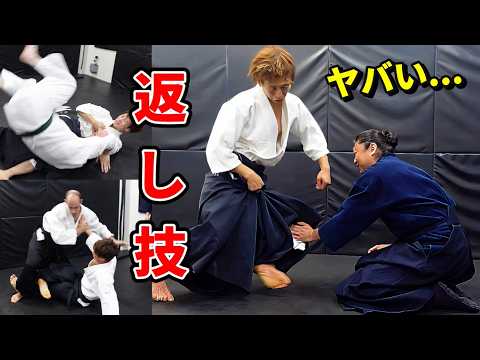
Kote Gaeshi Counter with One-Handed Cartwheel Ukemi
Kote Gaeshi Counter with Yoko Wakare-like Sutemi Variation
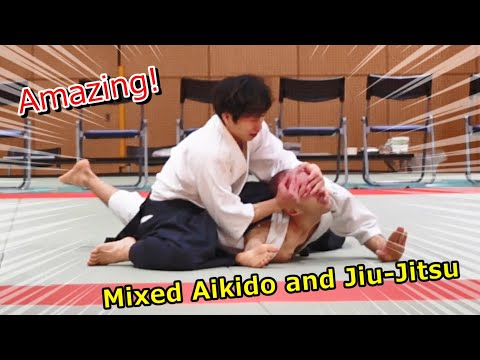
Kote Gaeshi into Reverse can-opener Neck Crank via Forward Roll Back Take with arm hook
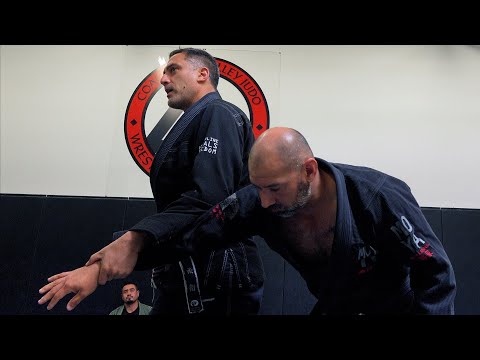
Kote Gaeshi with Jūji Gatame Ground Submission

Kote Gaeshi with the Tantō – Tantō Wrist Control Variation
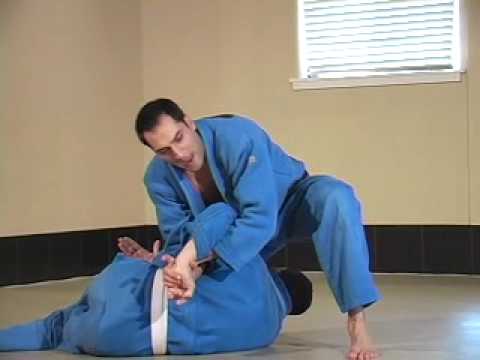
Kote Gaeshi with Ude Garami (Kimura) x Sankyō into Jūji Gatame Submission
Kote Gaeshi with Ude Garami (Kimura) x Sankyō Submission
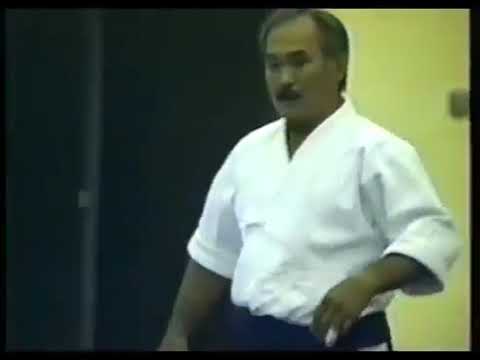
Kubi Nage from Irimi Nage Kubishime
Mae Geri – Koshi Nage from Ikkyō
Mae Geri – Koshi Nage from Irimi Nage
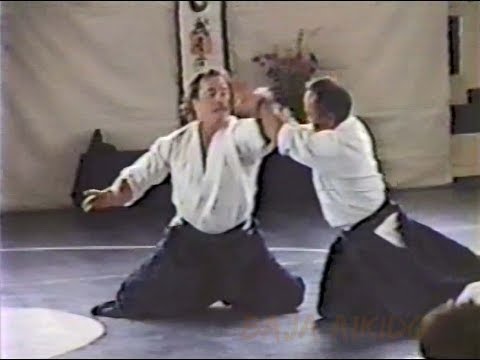
Mae Ryō Kata Dōri – Kokyū Nage Kazuo Chiba Variation
🧠
Mae Ryō Kata Dōri – Kokyū nage x Sasae Tsurikomi Ashi
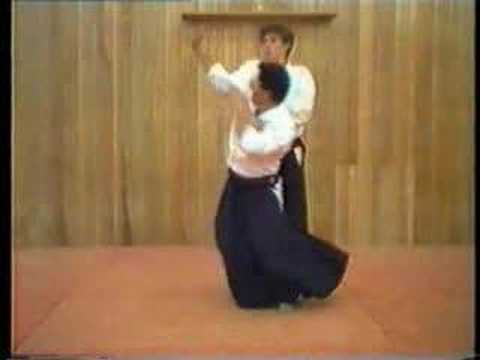
Mae Ryō Kata Dōri – Koshi Nage – Direct Ippon Seoi Nage-Like Variation
Mae Ryō Kata Dōri – Shihō Nage
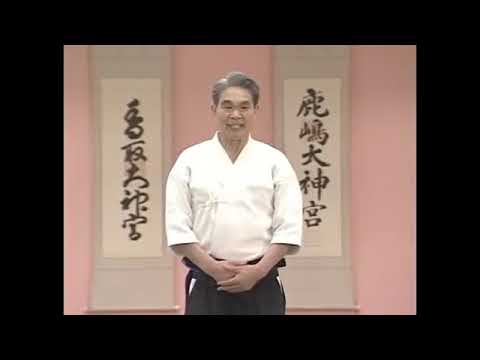
Men Uchi – Ude Kime Nage (inside entry) Atemi Application
Men Uchi Koshi Nage Shoji Nishio Variation (Three Atemi Entry)
Nikyō Ura Counter with Ikkyō Omote (Elbow Drop Reversal)
Nikyō Ura Counter with Kani Basami – One-Leg Calf Scissoring Variation
Nikyō Ura Counter with Rolling Knee Bar from Standing – Single Heel Control Variation
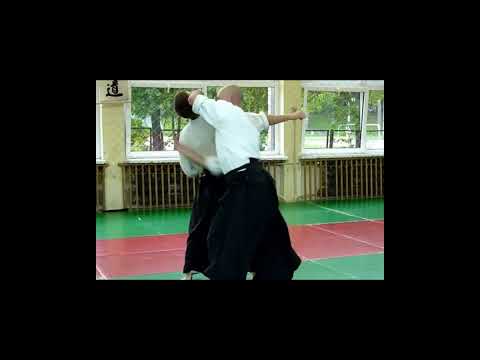
Reverse Kubi Nage / Reverse Cervical Extension Neck Crank Throw
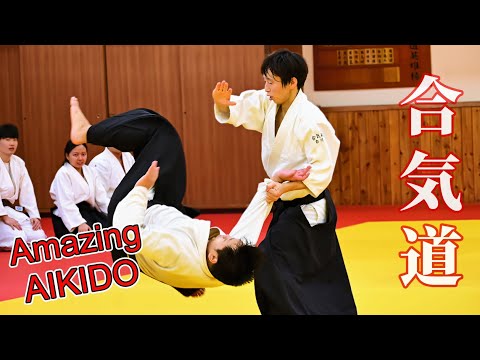
Ryōte Dōri – Kokyū Nage Ryuji Shirakawa Variation
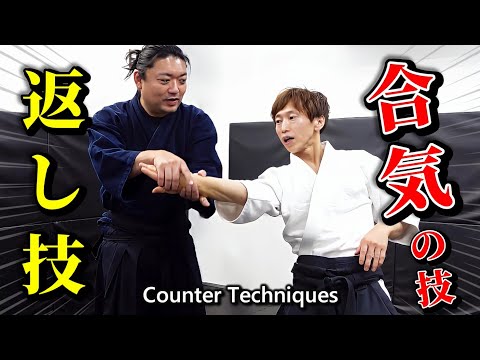
Shihō Nage Counter with Ude Kime Nage (Reverse Rotation Entry)
Shihō Nage with the Tantō – One-Hand Grab with Tantō Downward Strike Finish Variation
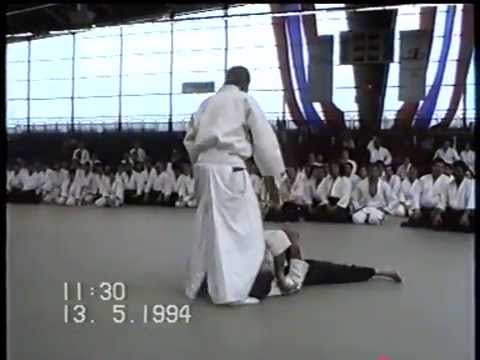
Shihō Nage–Style Kokyū Nage / Shihō Nage on both arms
Want the full index? → All Techniques 📚 · Study evolution → Timeline 🧭