🌏 Origin
Aikikai Aikidō
Aikikai represents the main line of Aikidō transmission from the Ueshiba lineage. It values fluidity, harmony, and technical precision.
📄 Techniques
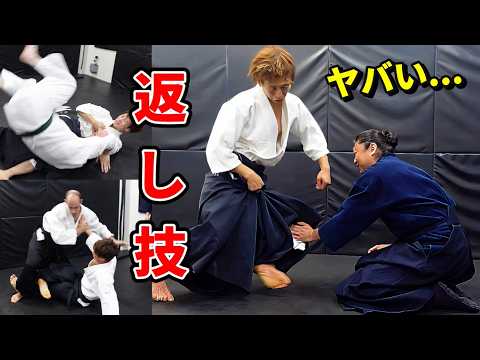
Kote Gaeshi Counter with One-Handed Cartwheel Ukemi
Kote Gaeshi Counter with Yoko Wakare-like Sutemi Variation
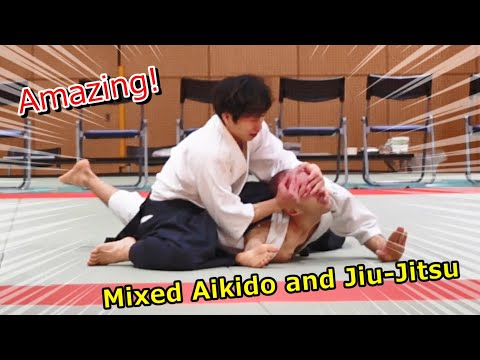
Kote Gaeshi into Reverse can-opener Neck Crank via Forward Roll Back Take with arm hook
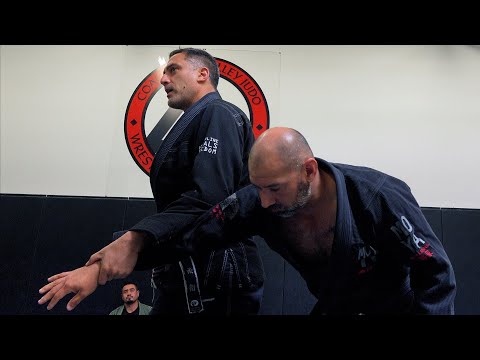
Kote Gaeshi with Jūji Gatame Ground Submission

Kote Gaeshi with the Tantō – Tantō Wrist Control Variation
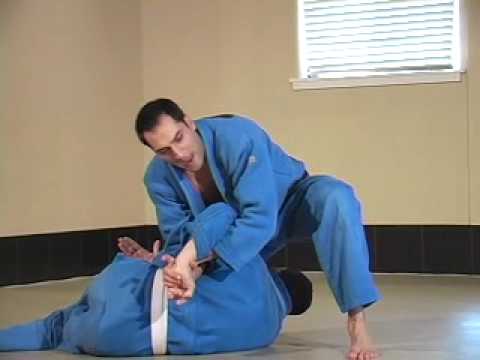
Kote Gaeshi with Ude Garami (Kimura) x Sankyō into Jūji Gatame Submission
Kote Gaeshi with Ude Garami (Kimura) x Sankyō Submission
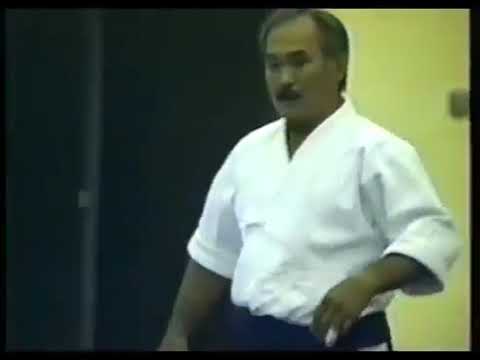
Kubi Nage from Irimi Nage Kubishime
Mae Geri – Koshi Nage from Ikkyō
Mae Geri – Koshi Nage from Irimi Nage
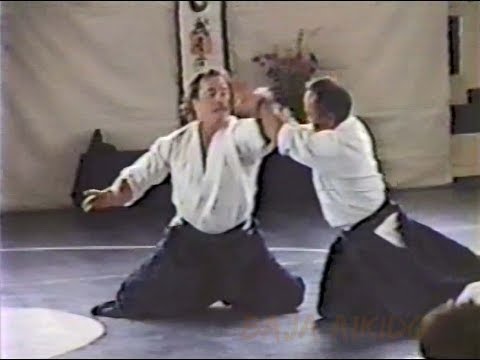
Mae Ryō Kata Dōri – Kokyū Nage Kazuo Chiba Variation
🧠
Mae Ryō Kata Dōri – Kokyū nage x Sasae Tsurikomi Ashi
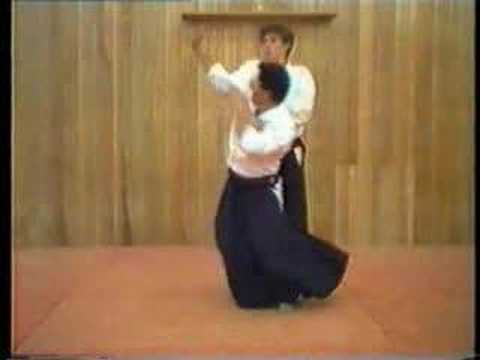
Mae Ryō Kata Dōri – Koshi Nage – Direct Ippon Seoi Nage-Like Variation
Mae Ryō Kata Dōri – Shihō Nage
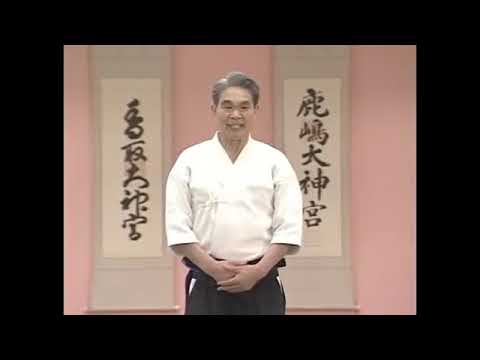
Men Uchi – Koshi Nage – Shoji Nishio Variation (Three Atemi Entry)
Men Uchi – Ude Kime Nage (Inside Entry) Atemi Application
Nikyō Ura Counter with Ikkyō Omote (Elbow Drop Reversal)
Nikyō Ura Counter with Kani Basami – One-Leg Calf Scissoring Variation
Nikyō Ura Counter with Rolling Knee Bar from Standing – Single Heel Control Variation
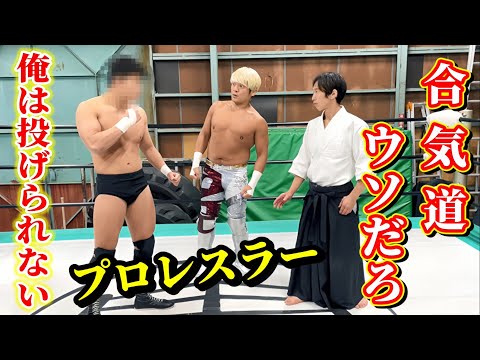
One-Hand Mercy Grip (Fingers Interlocked) – Nikyō Ura – Under-the-Arm Variation
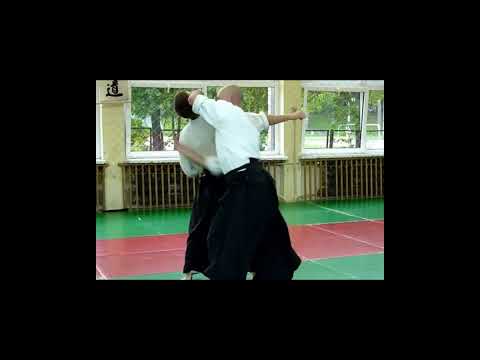
Reverse Kubi Nage / Reverse Cervical Extension Neck Crank Throw
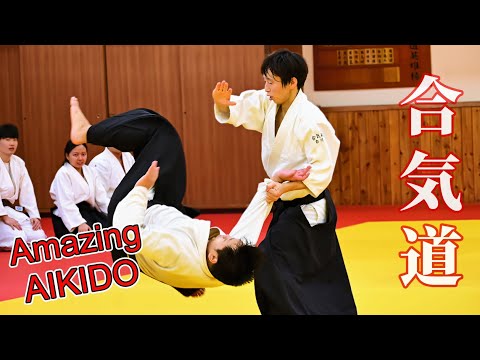
Ryōte Dōri – Kokyū Nage Ryuji Shirakawa Variation
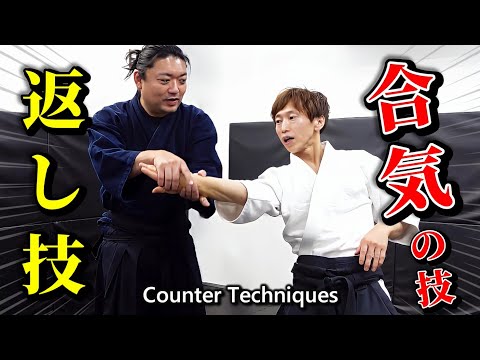
Shihō Nage Counter with Ude Kime Nage (Reverse Rotation Entry)
Shihō Nage with the Tantō – One-Hand Grab with Tantō Downward Strike Finish Variation
Want the full index? → All Techniques 📚 · Study evolution → Timeline 🧭