🌀 Waza Type
Būki Waza
Buki-waza are weapon-based techniques involving tools such as the bokken, jo, or tanto.
📄 Techniques
Jūken Dōri – Kokyū Nage – Forward Overextension Variation
Jūken Dōri – Kokyū Nage – Turning Lever Variation
Jūken Dōri – Sokumen Irimi Nage – 45° Entry
Jūken Dōri – Ude Kime Nage
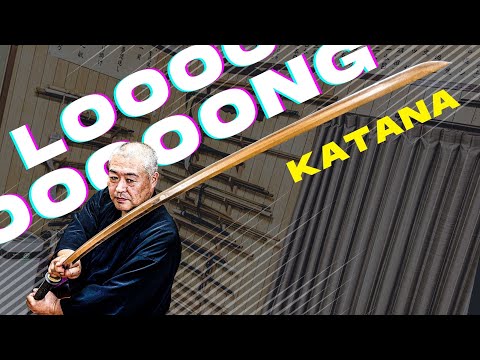
Ken tai Ken – Kote Gaeshi with Ōdachi
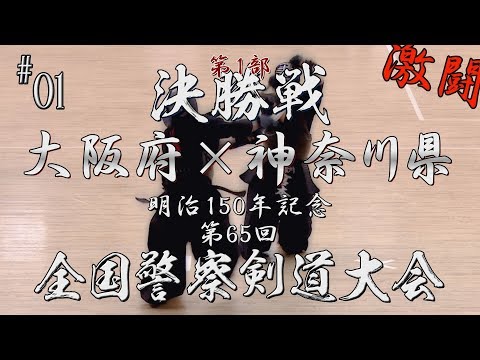
Kendō Tsuba-zeriai Harai Tsurikomi Ashi-like Sweep
Kokyū Nage – Christian Tissier Variation (similar to Ura Otoshi)

Kote Gaeshi with the Tantō – Tantō Wrist Control Variation
Lower-Body Bokutō Defense Against an Ōdachi
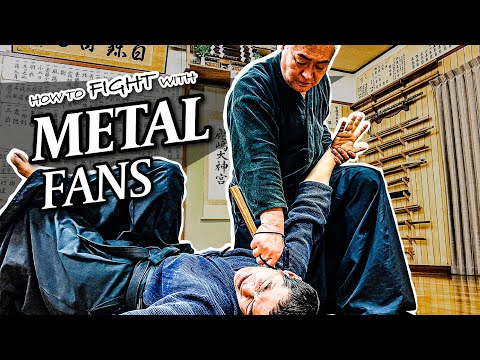
Muna Dōri – Kokyū Nage with the Tessen (Metal Fan) – Arm/Back Lever and Jaw/Neck Kyushō Pin Variation
Muna Dōri – Nikyō with the Tessen (Metal Fan) – Pre-Grab Step-Back Variation
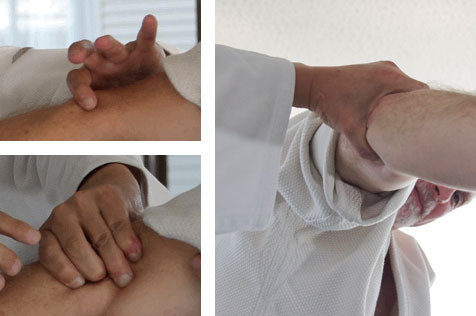
Pressure Point Eagle Claw for Ikkajō Ippon Dōri (Ikkyō) – Picture
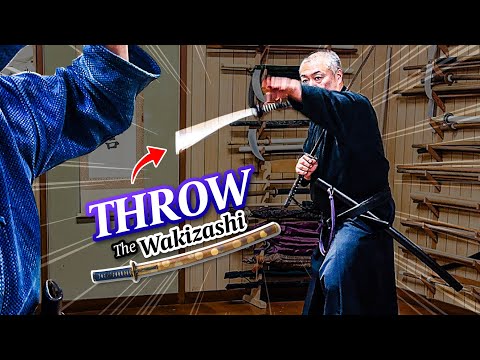
Sen Sen no Sen Wakizashi Throw with Bokutō Finish from Waki Kamae-like Stance
Shihō Nage with the Tantō – One-Hand Grab with Tantō Downward Strike Finish Variation
Shōmen Uchi – Kote Gaeshi with the Tessen (Metal Fan)
Sode Dōri – Ikkyō Omote using the Katana Handle
Sode Dōri – Ikkyō Ura using the Katana Handle
Sode Dōri – Sokumen Irimi Nage as a Katana Draw/Cut
Staff-Like Use of the Ōdachi via Half-Sword Grip
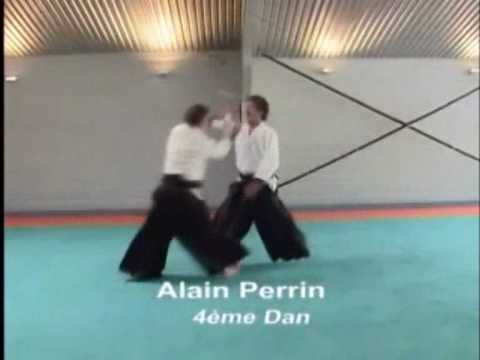
Sumi Otoshi / Hiji Otoshi – passing under Uke’s Arm Variation
Sutemi from Uchi Kaiten Sankyo entry
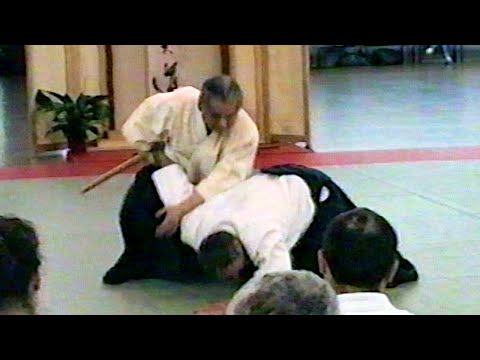
Suwari Waza – Tachi Dōri – Ikkyō Ura Preventing Wakizashi Draw
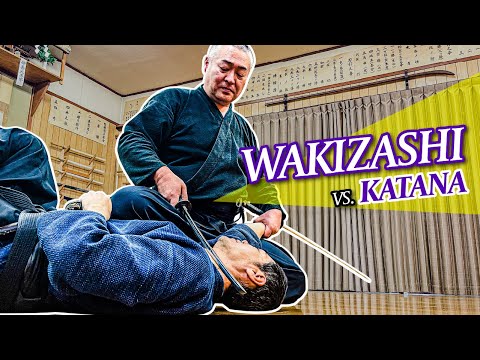
Suwari Waza Iai Kata – Wakizashi Against Katana
Suwari Waza Iai Kata – Variation of Ike Dōri Kata with Wakizashi Against Katana
Want the full index? → All Techniques 📚 · Study evolution → Timeline 🧭