🌀 Waza Type
Tachi Waza
Tachi-waza are standing techniques, usually involving attacks or defenses executed while both practitioners remain upright
📄 Techniques
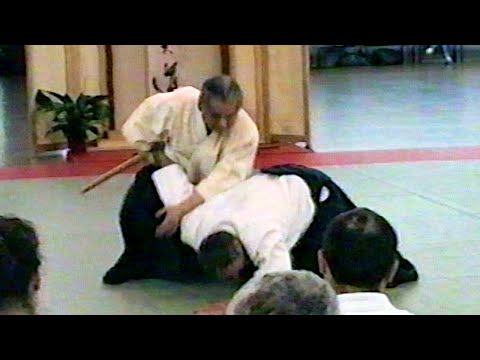
Kokyū Nage Preventing Katana Draw – Tsuka Grab with downward-to-forward drop
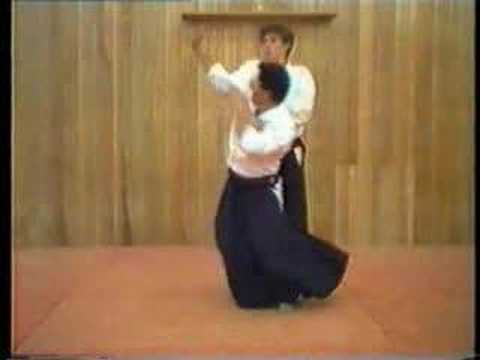
Koshi Nage – Ikkyō Omote Entry Direct Variation

Koshi Nage Aikidō Classic Variation – Morihei Ueshiba – Noma Dojo (1936)
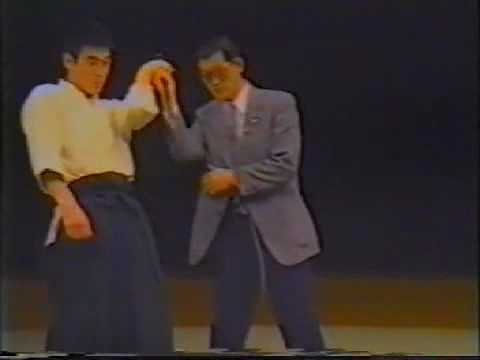
Koshi Nage from Ikkyō – Yoshio Kuroiwa Signature Variation
Koshi Nage from Ikkyō Omote
Koshi Nage from Kote Gaeshi – Yoshio Kuroiwa Signature Variation
Koshi Nage from Mae Ryo Kata Dōri (Tori grabbing) – Yoshio Kuroiwa Variation
Koshi Nage from Shihō Nage – Yoshio Kuroiwa Signature Variation
Koshi Nage from Shihō Nage (similar to Kōdōkan Jūdō’s Uki Goshi) – Yoshio Kuroiwa Variation
Koshi Nage from Shihō Nage (without the collar grip) – Yoshio Kuroiwa Signature Variation
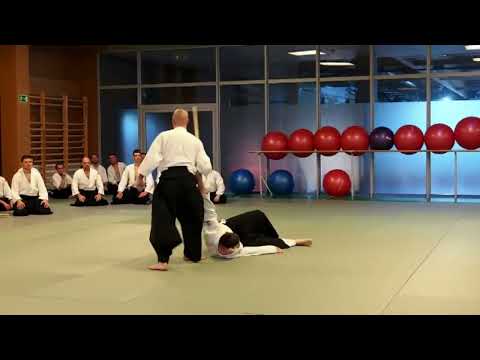
Koshi Nage from Ude Kime Nage – Elbow-on-Shoulder Lock Transfer Variation
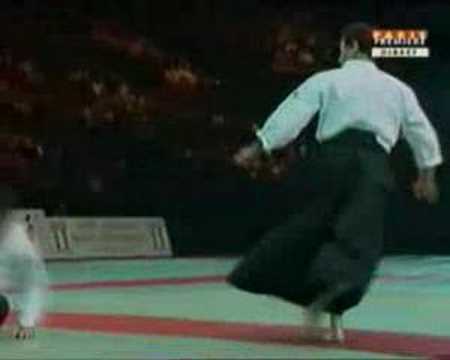
Kote Gaeshi – Christian Tissier Signature Variation
Kote Gaeshi – Hiroshi Isoyama Variation
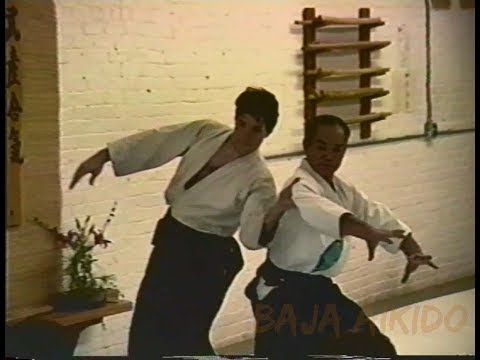
Kote gaeshi – Kazuo Chiba Direct Backward Absorption Variation
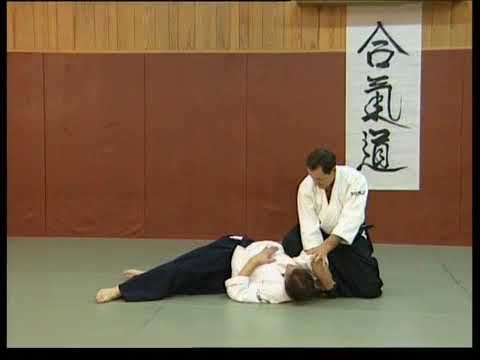
Kote Gaeshi – Kihon Christian Tissier Variation
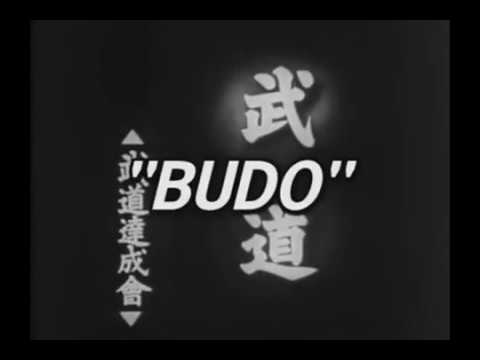
Kote Gaeshi – Morihei Ueshiba Budō Manual Variation
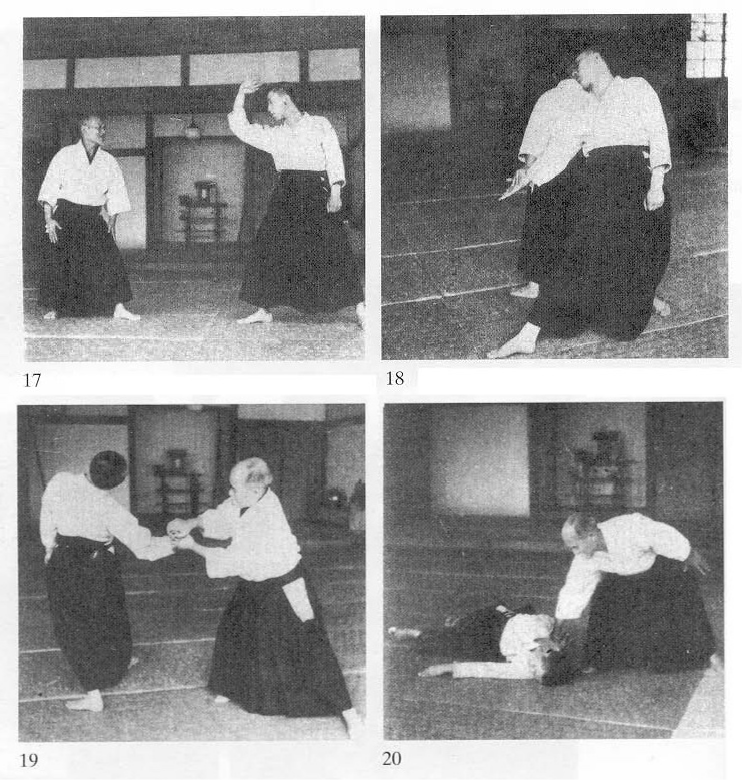
Kote Gaeshi – Technique 8 of the Budō manual (1938)
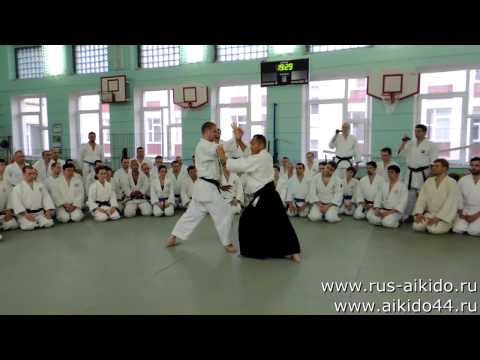
Kote Gaeshi – Tsuneo Ando Budō Manual Variation
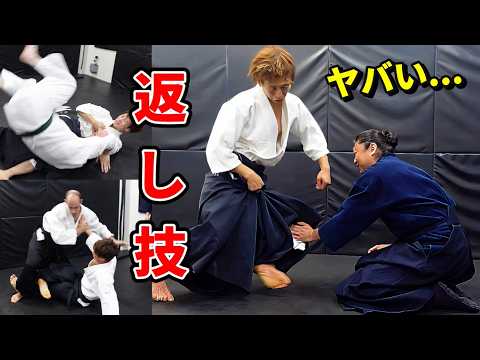
Kote Gaeshi Counter with Yoko Wakare-like Sutemi Variation
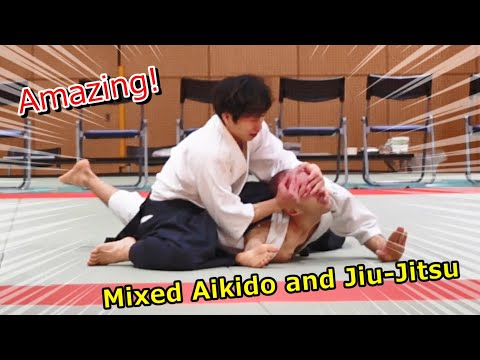
Kote Gaeshi into Reverse can-opener Neck Crank via Forward Roll Back Take with arm hook
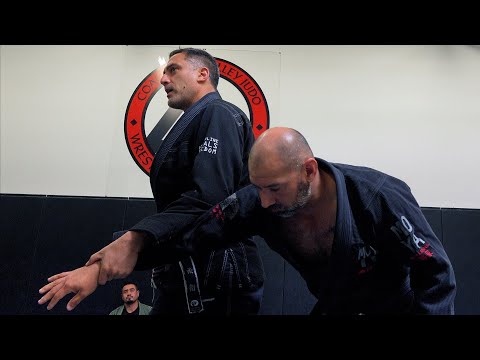
Kote Gaeshi with Jūji Gatame Ground Submission

Kote Gaeshi with the Tantō – Tantō Wrist Control Variation
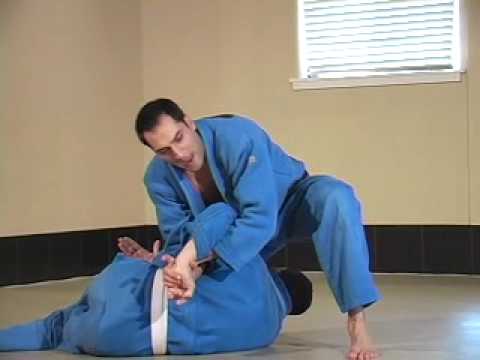
Kote Gaeshi with Ude Garami (Kimura) x Sankyō into Jūji Gatame Submission
Kote Gaeshi with Ude Garami (Kimura) x Sankyō Submission
Want the full index? → All Techniques 📚 · Study evolution → Timeline 🧭