🌀 Waza Type
Tachi Waza
Tachi-waza are standing techniques, usually involving attacks or defenses executed while both practitioners remain upright
📄 Techniques
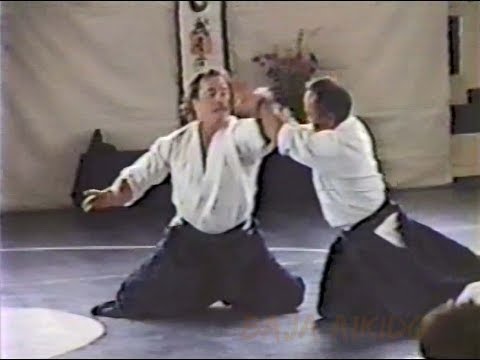
Mae Ryō Kata Dōri – Shihō Nage
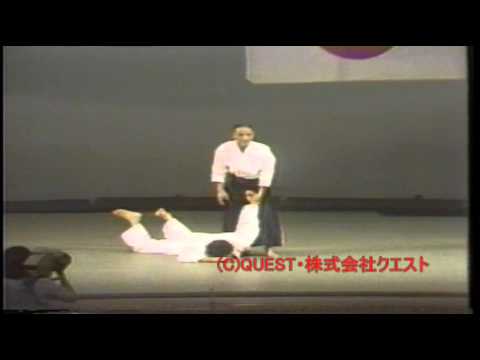
Mae Ryō Kata Dōri – Torso-led Tai Atari – Gozo Shioda Signature Variation
Mae Ryō Kata Dōri – Torso-led Tai Atari – Morihei Ueshiba
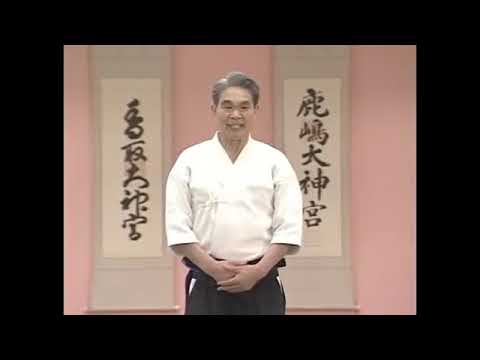
Men Uchi – Koshi Nage – Shoji Nishio Variation (Three Atemi Entry)
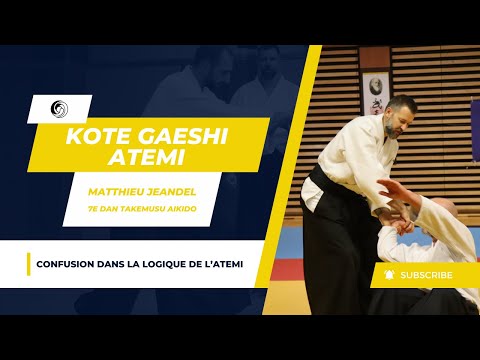
Men Uchi – Kote Gaeshi – Two-Hook Atemi Variation
Men Uchi – Ude Kime Nage (Inside Entry) Atemi Application
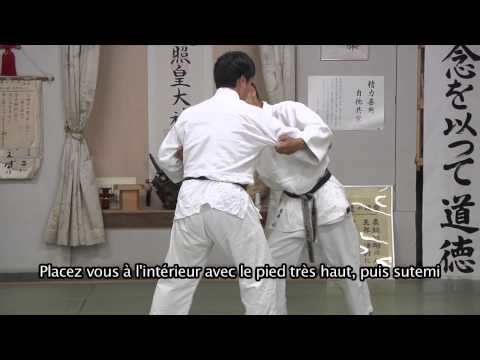
Motarekomi Sutemi
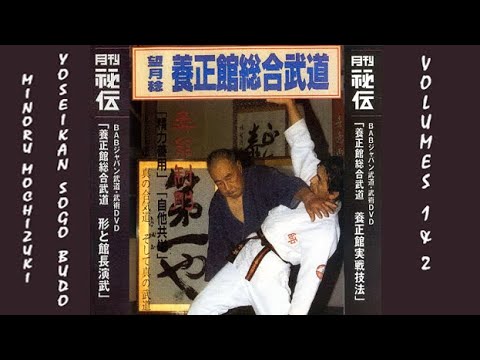
Mukae Taoshi Counter with Kataha Nage – Yoseikan Budō Hyōri no Kata
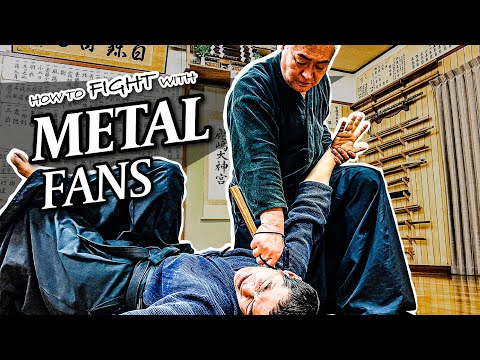
Muna Dōri – Kokyū Nage with the Tessen (Metal Fan) – Arm/Back Lever and Jaw/Neck Kyushō Pin Variation
Muna Dōri – Nikyō with the Tessen (Metal Fan) – Pre-Grab Step-Back Variation
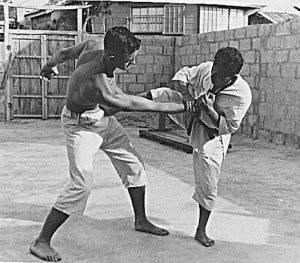
Muna Dōri – Kote Gaeshi with Hip Kick/Frame
Muna Dōri Yokomen Uchi – Katate Dōri Kubishime – Yoseikan Budō Hyōri no Kata
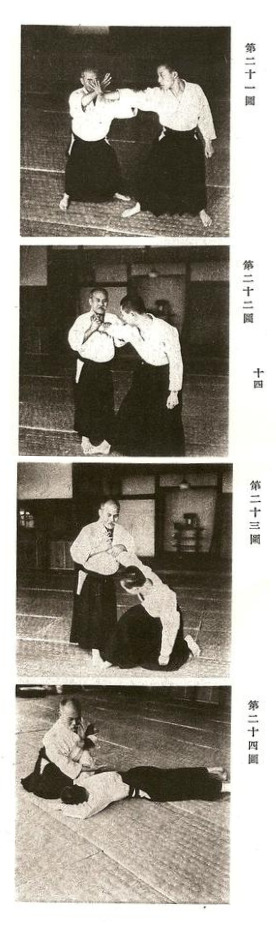
Nikajō (Nikyō) with Foot Trapping – Morihei Ueshiba Sen Sen no Sen Variation – Technique 9 of the Budō Manual (1938)
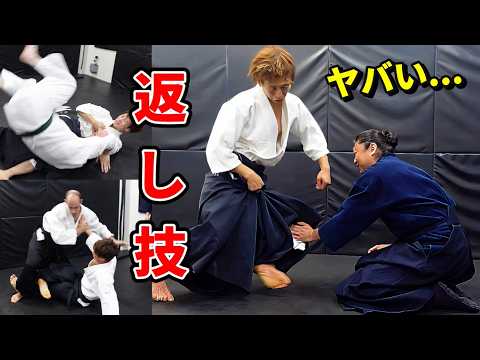
Nikyō Ura Counter with Ikkyō Omote (Elbow Drop Reversal)
Nikyō Ura Counter with Kani Basami – One-Leg Calf Scissoring Variation
Nikyō Ura Counter with Rolling Knee Bar from Standing – Single Heel Control Variation
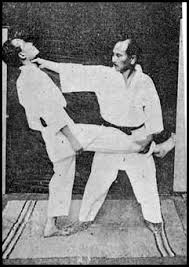
Nodo Osae – Gichin Funakoshi Rentan Goshin Tōde Jutsu Variation (1925)
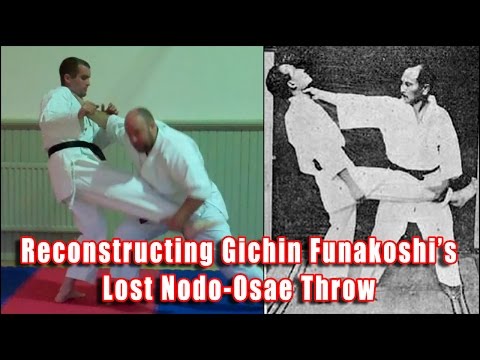
Nodo Osae – Gichin Funakoshi Rentan Goshin Tōde Jutsu Variation (1925) – Ian Abernethy Technical Reconstruction
Nodo Osae – Gichin Funakoshi Rentan Goshin Tōde Jutsu Variation (1925) – Ian Abernethy Technical Reconstruction – Sweeping Pivot Throw Variation
Nodo Osae – Gichin Funakoshi Ryūkyū Kenpō Tōde Variation (1922)
O Irimi Senkai Kubishime (Kubishime Sutemi)
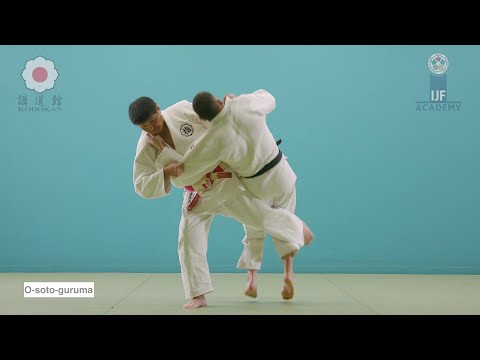
Ō Soto Guruma – Kōdōkan Jūdō
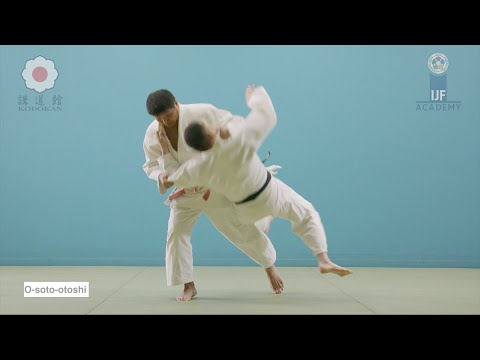
Ō Soto otoshi – Kōdōkan Jūdō
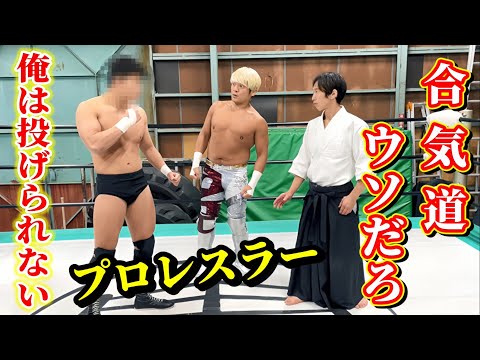
One-Hand Mercy Grip (Fingers Interlocked) – Nikyō Ura – Under-the-Arm Variation
Want the full index? → All Techniques 📚 · Study evolution → Timeline 🧭